Moon River

drifting through thoughts, one story at a time

  • Leaving Sweden

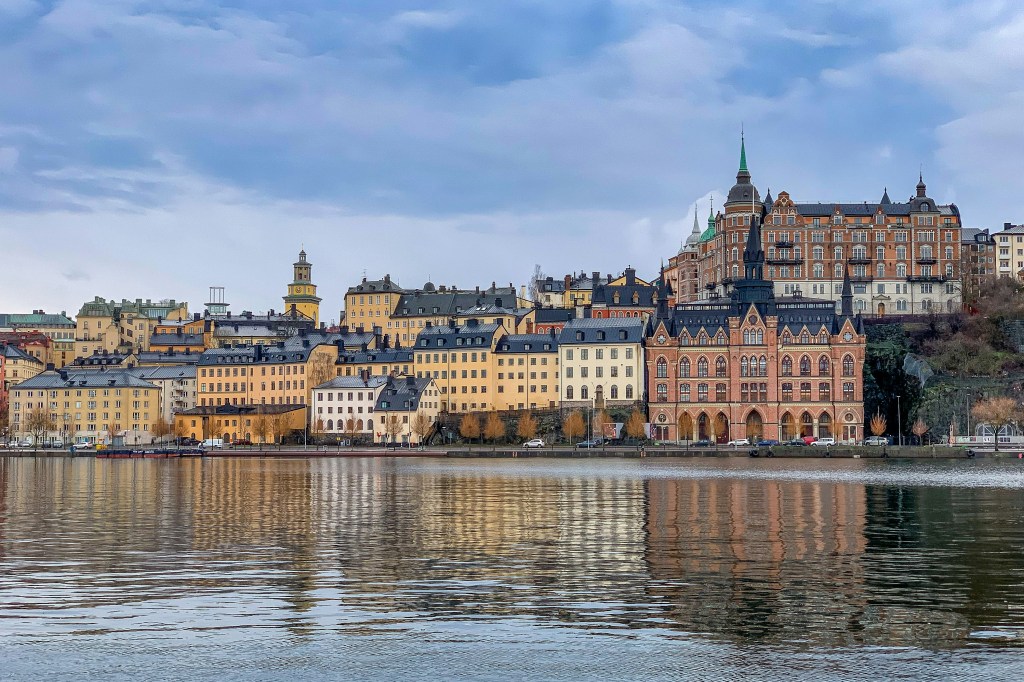
    I never thought leaving Sweden would feel this way. I had imagined a dramatic departure, one last walk through the cobbled streets of the city, a final sip of coffee at my favorite café, perhaps even a melancholic glance at the trams rolling by, their bells ringing like a quiet farewell. 

    Sweden was never meant to be forever, but it became a part of me in ways I hadn’t expected. It wasn’t just the crisp morning air or the long summer nights that blurred into dawn. It was the silence that spoke volumes, the unspoken understanding among strangers, the way the city felt both vast and intimate at the same time. It was in the simple things, the weight of a reusable bag filled with freshly baked bread, the rhythm of footsteps on icy sidewalks, the quiet hum of life on a tram ride home.

    And then there were the people. The friends who started as study group partners, colleagues, or even just fellow passengers on the same journey, and somehow became family. I think about the fika breaks that stretched longer than they should have, the deep conversations in candlelit corners, and the laughter that bounced off the walls. I wonder if they know how much they meant to me, if they ever will.

    Leaving isn’t just about packing suitcases or handing over apartment keys. It’s about accepting that some parts of me will always remain here, embedded in the city like footprints in fresh snow. It’s about realizing that no matter where I go next, there will be moments when I’ll hear Swedish in a crowded place and turn my head instinctively, as if a part of me still belongs.

    Maybe I’ll return one day, maybe I won’t. But Sweden will never truly leave me. And that, I think, is the hardest goodbye of all.
  • Kamakura: The Spaces Between

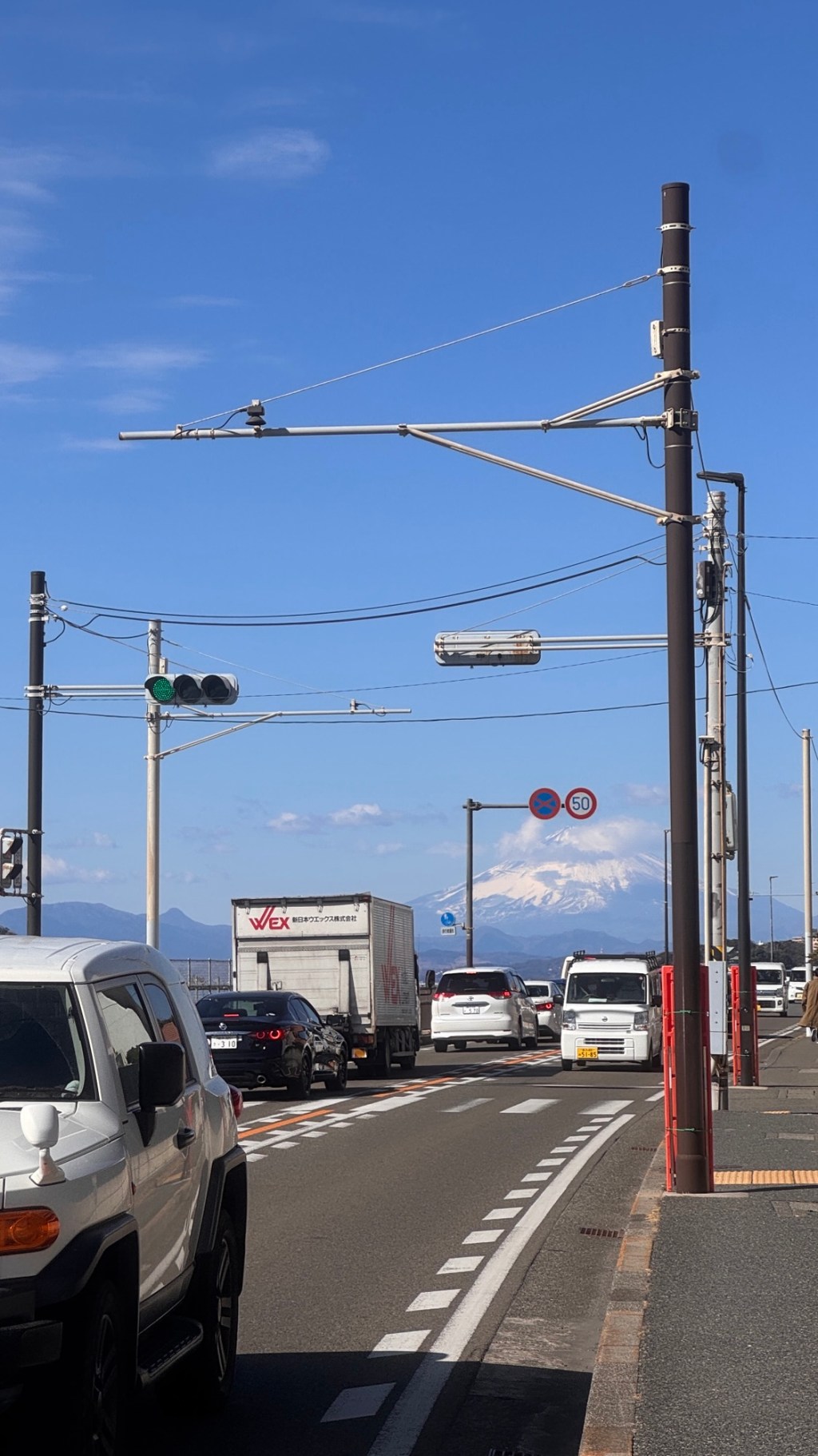
    If Tokyo is a city of motion, then Kamakura is a city of pause. The moment I stepped off the train, everything felt different, slower, softer, as if time itself had stretched to accommodate the weight of history. And as I wandered through its streets, I thought about how urban design isn’t just about movement, it’s about stillness, too.

    Kamakura isn’t designed for speed. The roads are narrower, winding gently toward temples tucked into the hills. Unlike Tokyo’s neon density, the skyline here is shaped by tiled roofs, wooden facades, and the quiet presence of nature. It’s a reminder that cities don’t have to compete with time; sometimes, they can exist in harmony with it.

    I made my way to Kōtoku-in, where the Great Buddha sat in stillness, unchanged by the centuries that had rushed past him. Around me, tourists came and went, snapping photos, but the statue remained unmoved. Urban spaces are often designed to accommodate change, skyscrapers rise, roads widen, transit expands. But some spaces, like this one, are designed to endure. And maybe, in life, we need both: places of movement and places of stillness, spaces that propel us forward and spaces that remind us where we’ve been.

    Later, I wandered to Komachi Street, where modern life slipped back in, shops, cafés, the smell of fresh-baked taiyaki drifting through the air. Even in a city so steeped in the past, adaptation found its way in. Kamakura has mastered the balance of preservation and evolution, and I wondered, shouldn’t life be the same? We hold on to the things that shape us, but we allow space for new stories, new paths.

    As the sun set over the Pacific, I found myself at Yuigahama Beach, watching the waves erase footprints in the sand. In Tokyo, movement was linear, a network of destinations and connections. But here, movement was cyclical, waves retreating, then returning, never quite the same, yet always familiar.

    Maybe that’s what Kamakura teaches us, not all journeys have to be about getting somewhere. Some are just about being where you are, letting the city, the moment, and the quiet spaces in between shape you.

  • Tokyo: The Beauty of Getting Lost

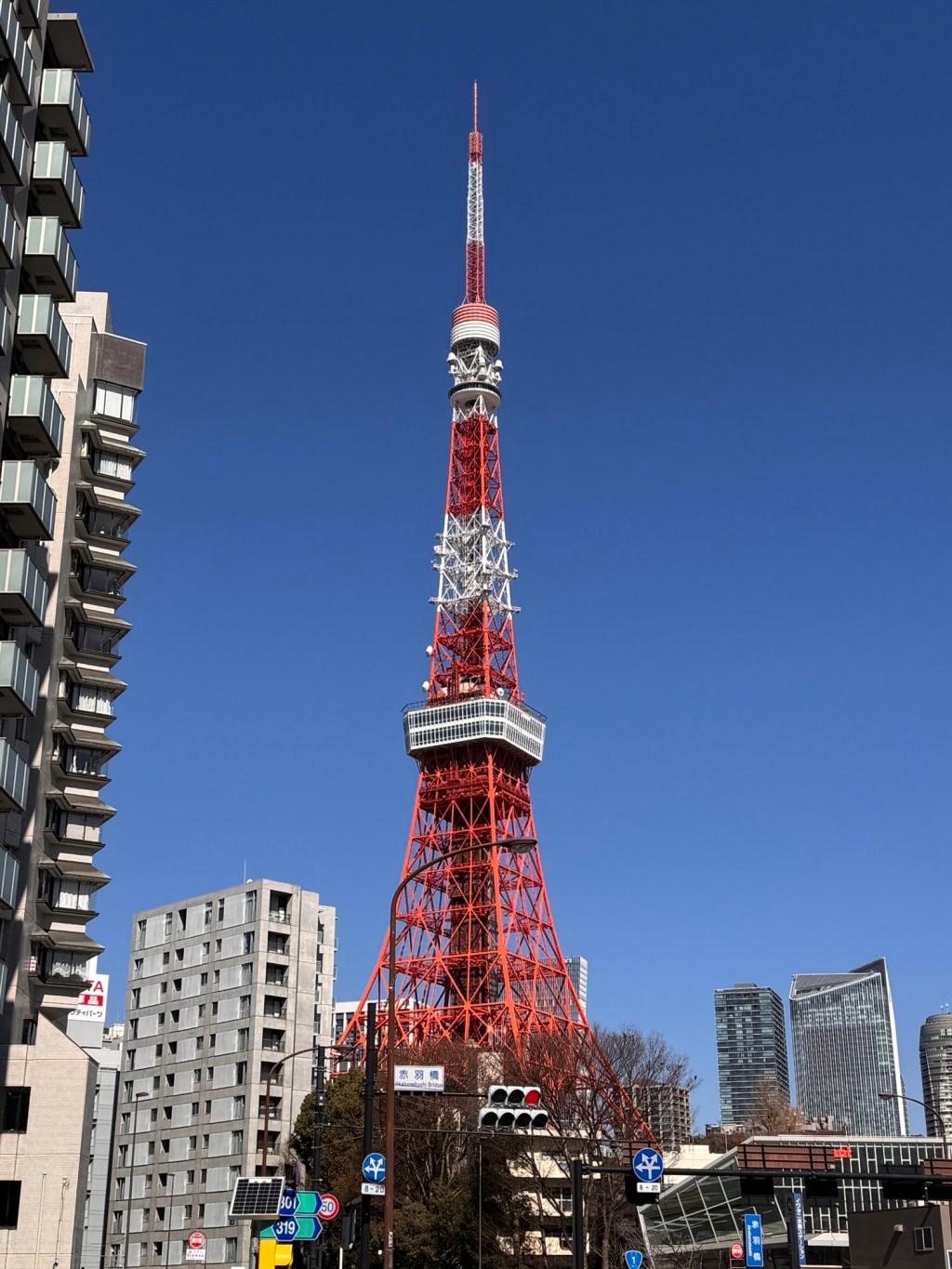
    On my recent trip to Japan, I spent most of my time in Tokyo. Tokyo is a city that shouldn’t make sense but somehow, it does. It’s a place where towering skyscrapers stand beside centuries-old temples, where neon lights pulse through the night while hidden alleyways remain untouched by time. It is structured yet chaotic, fast yet deeply personal. And as I wandered its streets, I couldn’t help but think, maybe cities, like life, aren’t meant to be perfectly planned.

    Urban design teaches us about networks, how streets guide movement, how public spaces foster interaction, how the built environment shapes experience. Tokyo, however, rewrites the rules. Its streets don’t follow a rigid grid like New York; instead, they twist and turn unpredictably, forcing you to embrace getting lost. I had destinations in mind—Shibuya, Asakusa, Shimokitazawa—but in between, I found something even better: the beauty of discovery. A tiny kissaten tucked between office buildings, an unmarked ramen shop with a line of locals, a quiet shrine hidden behind glass towers.

    Tokyo’s train system is a marvel, an intricate, efficient machine that moves millions daily, yet still leaves room for the individual. In the rush of bodies at Shinjuku Station, I thought about connectivity, not just in transit, but in life. Some cities are designed for efficiency, keeping movement direct and predictable. Others, like Tokyo, allow for fluidity, for unexpected crossings. People come and go, intersecting briefly before being carried in different directions. It made me wonder, how many moments in life are simply a matter of timing and proximity? How many connections do we miss because we’re moving too fast?

    Then there are the small urban pockets, Tokyo’s hidden courtyards, rooftop gardens, and tiny bars that seat only six. Despite its density, the city understands the importance of pause. A well-designed life should, too. Not everything has to be about momentum; sometimes, the best moments happen when you slow down.

    As I stood in Shibuya Crossing, surrounded by movement, I realized something: Tokyo isn’t chaotic. It’s complex. And there’s a difference. Chaos is randomness. Complexity has structure, even if you can’t see it at first glance. Cities, relationships, life, they aren’t always linear. But maybe that’s the point. The best experiences don’t follow a single path. They allow you to wander, to explore, to get lost, because sometimes, that’s how you truly find what you’re looking for.

  • Cities, like Love, Need Good Design

    They say cities are designed for movement, for connection, for life. But as I walked through the streets of Stockholm, tracing the lines of old and new, I couldn’t help but wonder, when it comes to urban design, are we just planning spaces, or are we planning relationships?

    Every city tells a love story. Some, like Paris, are hopeless romantics, with winding alleys perfect for stolen kisses and balconies made for dramatic goodbyes. Others, like New York, are bold and unapologetic, demanding you keep up or get out of the way. And then there are cities like Stockholm, structured, balanced, a little reserved, but beautiful once you get to know them.

    As an urban designer, I’ve spent years studying how spaces shape us, how the width of a sidewalk can determine whether two strangers meet, whether a plaza invites conversation or loneliness, whether a street becomes a stage for life or just a passage to somewhere else. And isn’t that just like relationships? Some people are main streets, direct, accessible, always in the flow. Others are cul-de-sacs, comforting, familiar, but maybe a little too closed off.

    We design cities to be walkable, but what about relationships? We talk about connectivity in urban planning, but what about emotional connectivity? Are we designing our lives for spontaneous encounters, for the kind of moments that change everything? Or are we creating barriers, zoning ourselves into predictability, limiting movement, leaving no room for the unexpected?

    That’s the thing about cities, and about love. The best ones don’t just function, they make you feel. And maybe the secret to good urban design isn’t just about streets and buildings, it’s about leaving space for possibility.

    Because in the end, whether it’s a city or a person, the best places aren’t the ones that are perfectly planned. They’re the ones that surprise you.

  • Why I Write: A New Beginning

    There’s something about putting thoughts into words that feels like anchoring yourself to the world. Writing has always been that for me, a space where I can pause, reflect, and make sense of the chaos around me.

    I used to write before. In journals, in quiet corners of the internet, in fleeting notes that never saw the light of day. But somewhere along the way, life got in the way. Or maybe I just told myself that it did. The words kept piling up in my head, unspoken, waiting for the right moment.

    This is that moment.

    I’m starting this blog not because I have everything figured out, but because I don’t. Because life keeps unfolding in ways I never expected, new places, new people, old connections that linger like unfinished sentences. And I want to document it all. Not just for the sake of remembering, but to understand, to reflect, to give meaning to the things that might otherwise slip away.

    Maybe you’ll find something here that resonates with you. Maybe you’ve also felt the weight of what could have been or the excitement of a new beginning. Maybe, like me, you’re just trying to make sense of it all.

    So here it is, my words, my stories, my quiet thoughts finally given a place to exist. A new beginning, in writing.

  • Cities, Time, and the Art of Becoming

    Studying urban design teaches me that cities are never truly finished. They are constantly evolving, shaped by time, by movement, by the quiet forces we rarely notice. Streets are rerouted, buildings rise and fall, spaces once forgotten find new purpose. And in many ways, life is no different.

    We like to think of life as something we can plan, structured, predictable, designed with intent. But the reality is much messier. There are moments of careful planning, but also moments of improvisation, of finding new paths when the old ones no longer lead where they used to.

    In cities, there is always tension between preservation and progress. How much of the past do we hold on to? How much do we let go in order to move forward? These are the same questions we face in life. We carry memories like historic landmarks, honoring them for what they once were, but we also learn that change is inevitable. To grow, we must sometimes allow parts of ourselves to be rebuilt.

    Some spaces are carefully designed, while others emerge naturally over time. A well-worn path across a park, formed not by architects but by the people who walk it every day, is proof that not everything in life needs to be mapped out. Sometimes, the most meaningful routes are the ones we create as we go.

    Cities, like people, are always in the process of becoming. They adapt, they reinvent themselves, they find ways to thrive even after being broken. And maybe that’s what I’ve learned, not just as a student but as a person. That we, too, are works in progress. That we are not meant to remain the same. That just like the spaces we shape, we are meant to evolve, to change, to become.

  • The Love That Never Was: Watching Past Lives and Seeing Myself

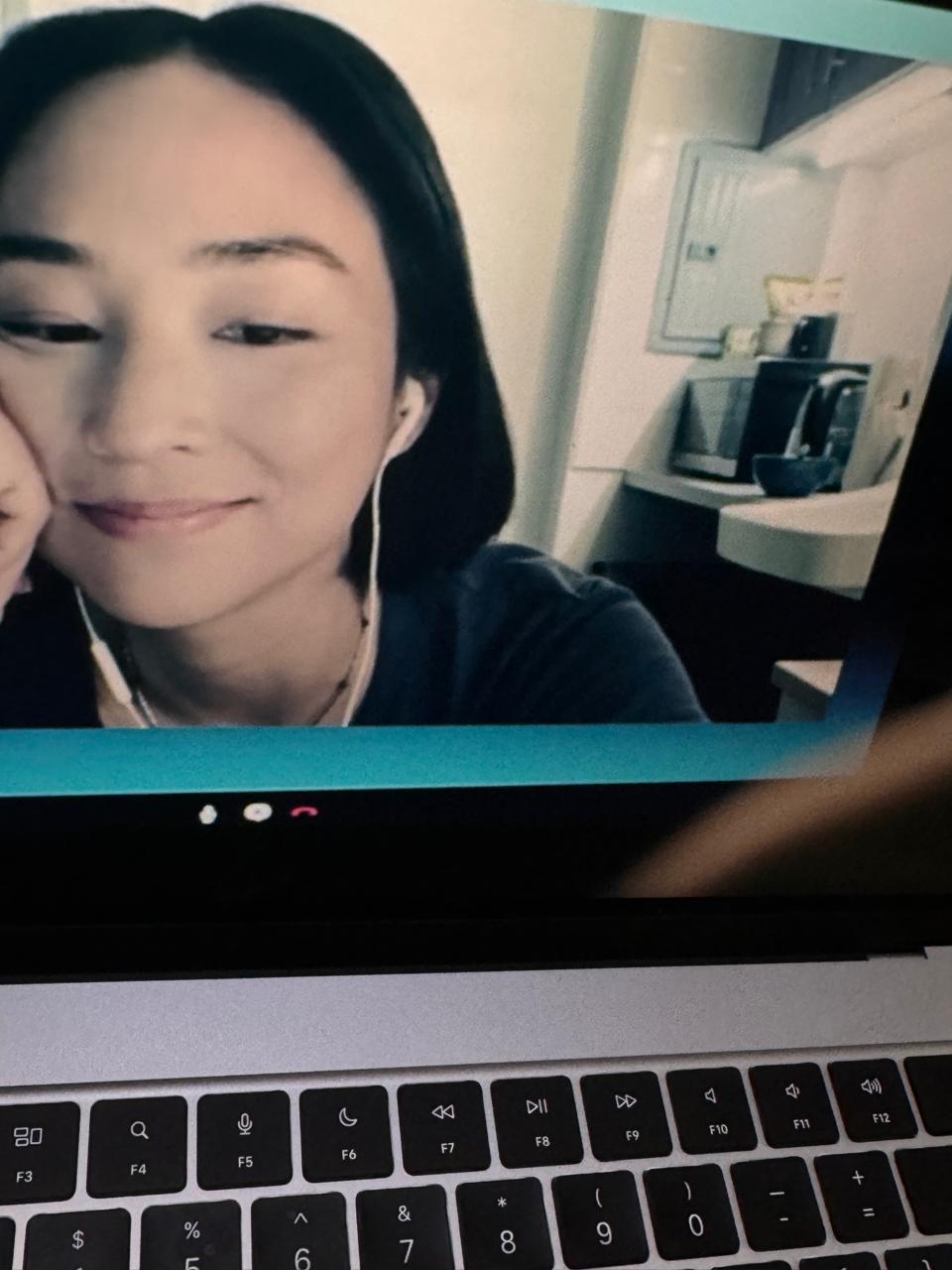
    I watched Past Lives the other night, and for the first time in a long time, I felt like a movie was speaking directly to me. Not in an obvious way, not in a way that screamed, this is your story, but in a way that settled in my chest and stayed there.

    It’s a quiet film, one that doesn’t rush to tell its story. Instead, it lingers,soft, aching, and filled with everything left unsaid. It’s about Nora and Hae Sung, childhood friends who were separated when Nora’s family moved to another country. They reconnected years later online, falling into something that felt like love, but also like a dream, real, yet distant, like holding onto water. No matter how much they talked, no matter how much they tried to close the gap, they never did.

    And isn’t that just like us?

    We never had New York, Vienna or Patagonia. We never had that moment where we sat across from each other, looking for answers in the silence. But we had the late-night conversations, the feeling of time bending when we talked, the way we understood each other in ways that felt rare. In a world full of strangers, we found something familiar in each other. And for a while, it felt like enough.

    But Past Lives reminded me of something I didn’t want to admit, connection isn’t always enough. Love, real love, isn’t just about finding someone who sees you. It’s about timing. It’s about choices. It’s about whether two people are willing to step out of the dream and make something real.

    And that’s where we got stuck, isn’t it?

    We were always floating between what we were and what we could be. We planned to meet, but it never happened. It was always soon, maybe later, someday. But someday never came. And maybe that’s the cruelest part, not that we ended, but that we never really began.

    There’s a scene in Past Lives where Hae Sung looks at Nora and tells her, In another life, we would have been together. That maybe, in a different version of the world, things would have worked out. And sometimes, I wonder the same about us. If we had met, if we had stood face to face, if we had been brave enough to pull our story out of the digital space and into reality, would it have changed anything? Or were we always meant to be just this, an almost, a possibility left unexplored?

    There’s a part of me that wants to believe we were something more, that what we had mattered. That even if we never met, even if we drifted apart, there was meaning in the connection we shared. That the way we existed together, our words, our understanding, our quiet companionship was real, even if it was fleeting.

    But I also know that life moves forward. People change. The person I was when I met you isn’t the person I am now. And maybe that’s why Past Lives hit me so hard, because it’s not just a love story. It’s a story about growing up, about moving on, about realizing that not all connections are meant to last forever.

    Sometimes, people come into our lives not to stay, but to teach us something. Maybe you taught me what it feels like to be understood. Maybe I taught you how to let go. Maybe we were never meant to be a love story at all, maybe we were just a reminder that even the most fleeting connections can leave a mark.

    And maybe, just like Hae Sung and Nora, we were always meant to say goodbye.