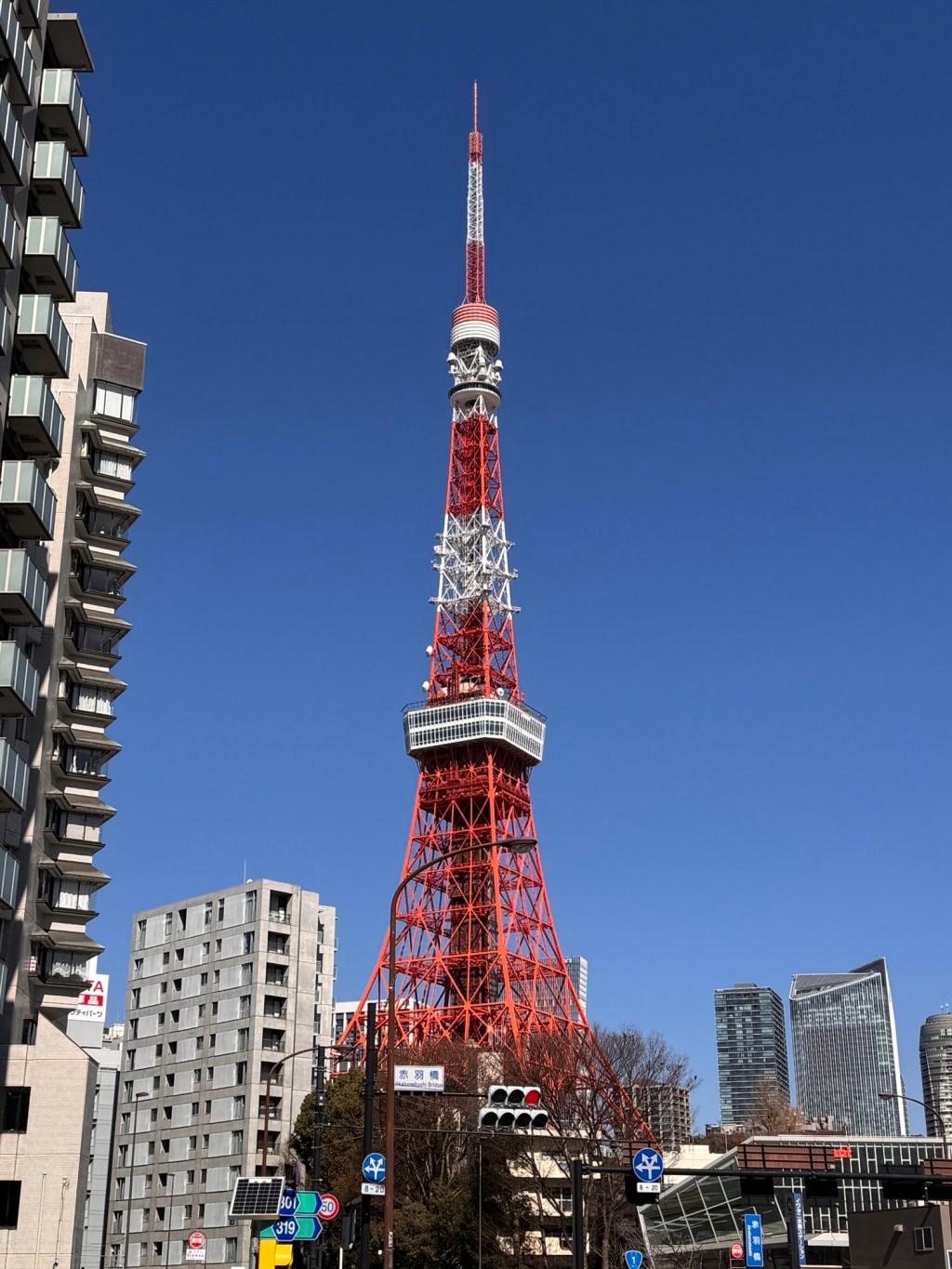
On my recent trip to Japan, I spent most of my time in Tokyo. Tokyo is a city that shouldn’t make sense but somehow, it does. It’s a place where towering skyscrapers stand beside centuries-old temples, where neon lights pulse through the night while hidden alleyways remain untouched by time. It is structured yet chaotic, fast yet deeply personal. And as I wandered its streets, I couldn’t help but think, maybe cities, like life, aren’t meant to be perfectly planned.
Urban design teaches us about networks, how streets guide movement, how public spaces foster interaction, how the built environment shapes experience. Tokyo, however, rewrites the rules. Its streets don’t follow a rigid grid like New York; instead, they twist and turn unpredictably, forcing you to embrace getting lost. I had destinations in mind—Shibuya, Asakusa, Shimokitazawa—but in between, I found something even better: the beauty of discovery. A tiny kissaten tucked between office buildings, an unmarked ramen shop with a line of locals, a quiet shrine hidden behind glass towers.
Tokyo’s train system is a marvel, an intricate, efficient machine that moves millions daily, yet still leaves room for the individual. In the rush of bodies at Shinjuku Station, I thought about connectivity, not just in transit, but in life. Some cities are designed for efficiency, keeping movement direct and predictable. Others, like Tokyo, allow for fluidity, for unexpected crossings. People come and go, intersecting briefly before being carried in different directions. It made me wonder, how many moments in life are simply a matter of timing and proximity? How many connections do we miss because we’re moving too fast?
Then there are the small urban pockets, Tokyo’s hidden courtyards, rooftop gardens, and tiny bars that seat only six. Despite its density, the city understands the importance of pause. A well-designed life should, too. Not everything has to be about momentum; sometimes, the best moments happen when you slow down.
As I stood in Shibuya Crossing, surrounded by movement, I realized something: Tokyo isn’t chaotic. It’s complex. And there’s a difference. Chaos is randomness. Complexity has structure, even if you can’t see it at first glance. Cities, relationships, life, they aren’t always linear. But maybe that’s the point. The best experiences don’t follow a single path. They allow you to wander, to explore, to get lost, because sometimes, that’s how you truly find what you’re looking for.
 Moon River
Leave a comment